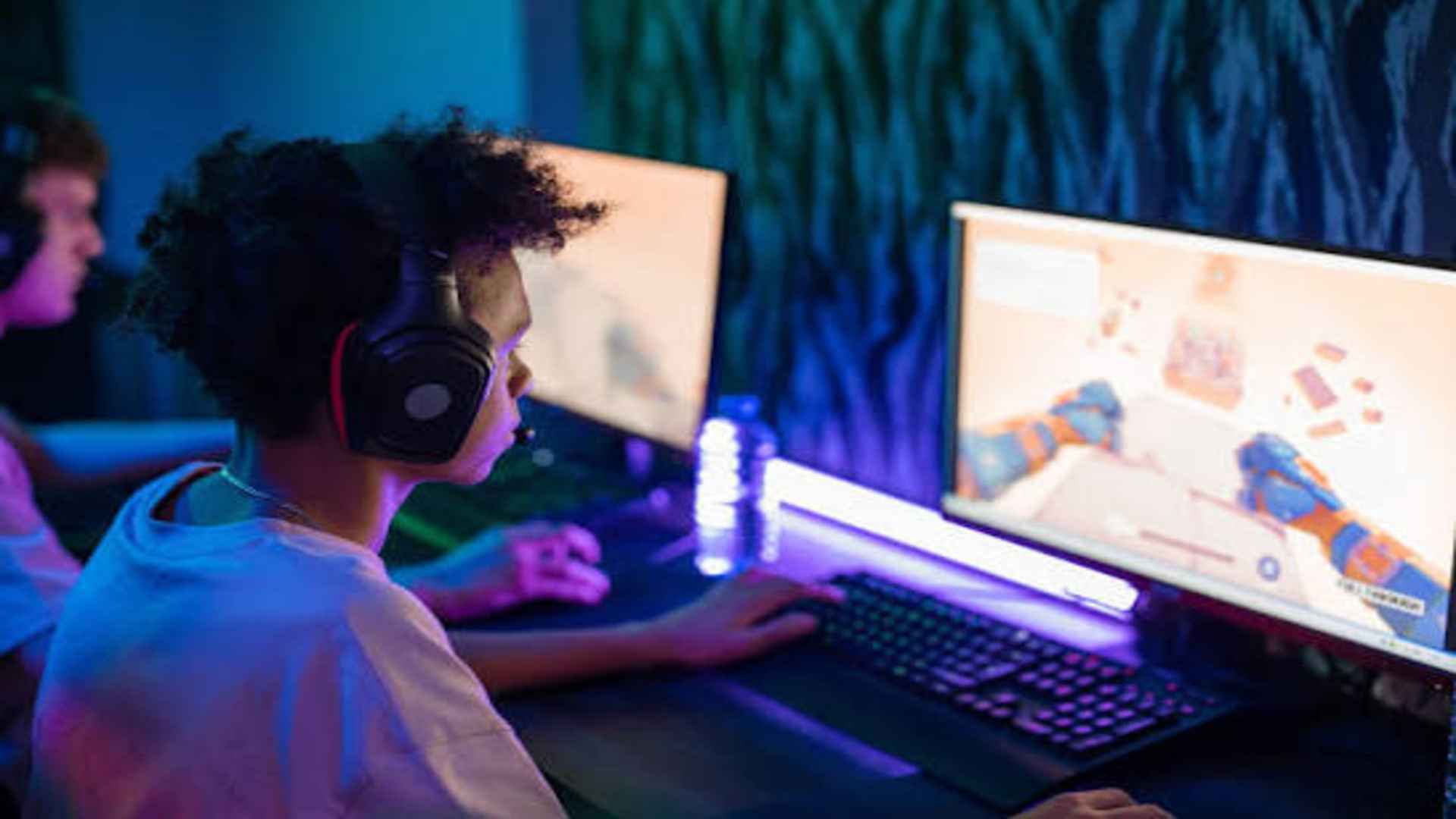
Human behavior often seeks order in moments governed entirely by chance, leading many individuals to adopt unique habits before initiating a spin. Whether tapping a screen a specific number of times or pausing for a deep breath, these routines serve as psychological bridges between uncertainty and expectation. While the mechanics of a randomized wheel remain uninfluenced by human intervention, the development of personal pre-spin behaviors highlights fascinating aspects of psychology and emotional management.
The Psychological Need for Control
In environments where outcomes are completely random, individuals naturally look for ways to feel more in command of the situation. Establishing a personal sequence of actions creates an internal sense of structure, reducing the psychological discomfort caused by pure unpredictability. This phenomenon, often referred to as an illusion of control, helps players feel actively involved rather than passive observers.
By repeating a deliberate gesture, people lower their stress levels and approach the upcoming moment with a calmer mindset. This mental preparation makes the transition into an uncertain event feel far more manageable and structured.
Building Focus and Emotional Readiness
Pre-spin habits also function as grounding exercises that heighten concentration and emotional involvement. Taking a brief moment to complete a routine allows individuals to clear away external distractions and focus entirely on the present experience. This brief pause amplifies anticipation, making the eventual outcome feel more meaningful to the participant.
Many modern gaming platforms, such as m88, offer instant gameplay where outcomes are generated in milliseconds, making personal rituals a way for users to slow down the pace. By introducing a self-imposed pause, players create a personal rhythm that enhances their overall enjoyment of the process.
The Power of Reinforcement and Memory
Rituals often develop organically through selective memory and positive reinforcement over time. If a player happens to win after performing a specific motion, the brain quickly connects that gesture with a favorable result. Even when subsequent attempts produce different results, the memory of that initial success keeps the habit alive in future sessions.
This cognitive tendency reinforces routine behavior, transforming casual actions into established pre-spin traditions. The habit persists because it provides familiarity and comfort, regardless of the statistical independence of each spin.
Enhancing the Overall Entertainment Value
Ultimately, personal pre-spin behaviors add an extra layer of personal expression and fun to randomized activities. They transform a straightforward digital interaction into a personal event filled with flair and individual character. Rather than relying solely on the visual mechanics of the game, players craft their own unique experiences through these small routines.
Embracing these harmless habits allows individuals to enjoy the thrill of chance while staying grounded in a comfortable, self-defined routine. These actions demonstrate how human creativity continuously finds ways to personalize and elevate simple gaming moments.