An intuitive layout is often what separates an exceptional digital cardroom from a frustrating software experience. For online poker players, the efficiency of an application directly impacts their multi-tabling performance and overall focus during long tournament grinds. Understanding the fundamental components of streamlined usability helps enthusiasts choose software that reduces technical friction and allows them to concentrate fully on strategic decisions.
The Value of a Simplified Lobby Structure
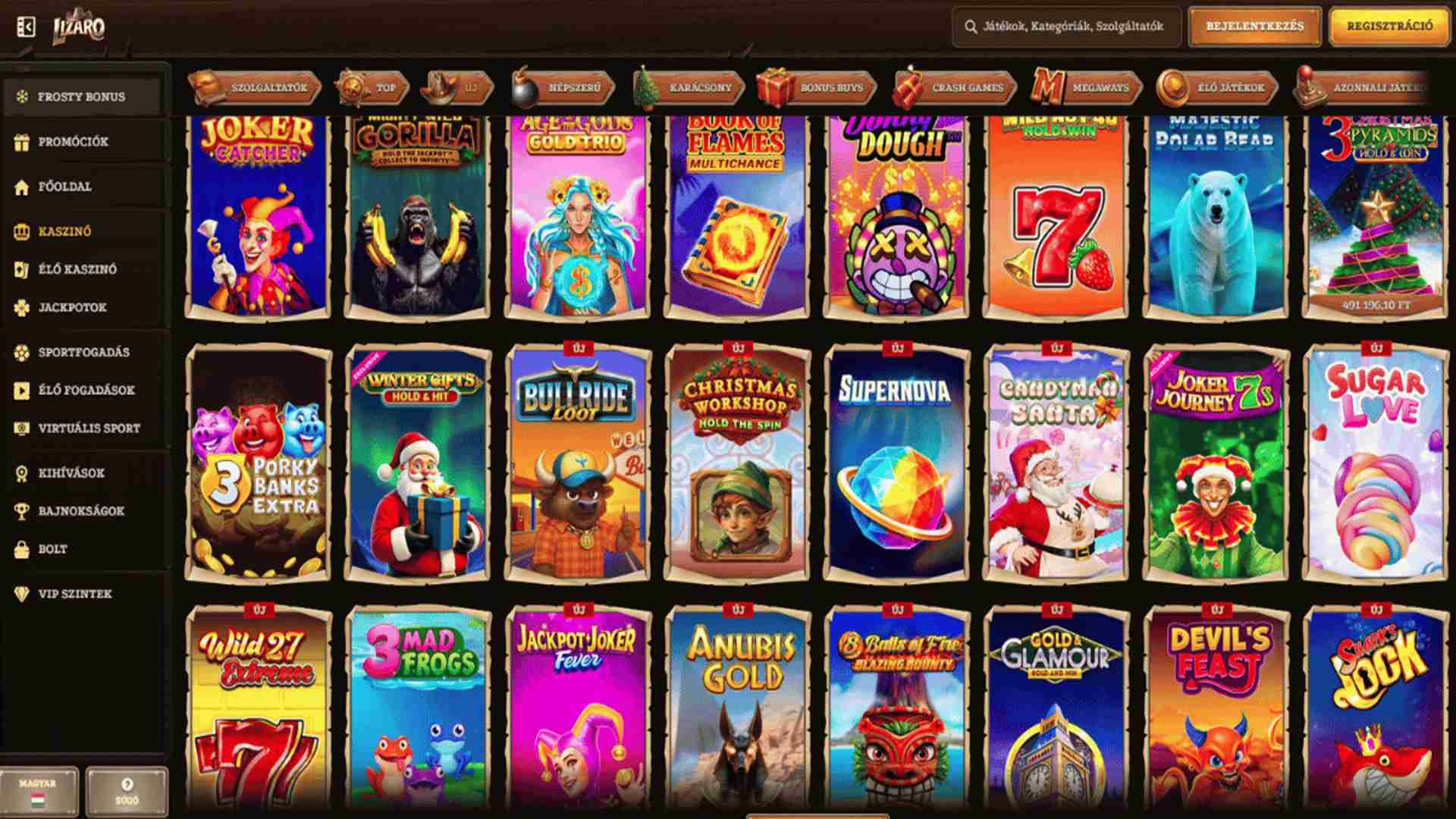
The primary entryway to any gaming platform is its main menu dashboard, which must organize numerous game types logically. An effective design utilizes clear filters and distinct tabs for cash games, tournaments, and fast-fold formats, helping users find their desired stakes instantly. Minimizing the steps required to register for an event prevents unnecessary stress and ensures a much smoother preparation phase.
Furthermore, an easy-to-use search function allows individuals to look up specific tournament IDs or player aliases without digging through menus. High-quality poker platforms avoid overwhelming screens with flashing promotions, keeping the user focus on real-time data and lobby updates. A well-organized starting page sets a professional tone for the entire session.
Customizable Table Layouts and Tiling Options
Once a player enters a game, table orientation and visibility become critical for tracking action across multiple windows. Top-tier software options offer automated grid tiling and stacking presets that instantly arrange multiple tables across one or more monitors. This flexibility ensures that urgent notifications remain visible, helping players avoid timed-out hands during critical folding decisions.
When exploring various online platforms, utilizing responsive software systems like m88 allows players to find accessible designs tailored to modern multi-table requirements. Customizable layouts also allow users to modify table backgrounds, deck visuals, and bet sizing buttons to their physical liking. Reducing unnecessary visual noise directly lowers mental fatigue during intense gaming hours.
Intuitive Action Controls and Smooth Transitions
The design of actionable controls like check, call, and raise buttons determines how easily a player interacts with the digital environment. These interactive elements must change color dynamically or enlarge when it is the user's turn, minimizing the likelihood of expensive misclicks. Smooth movement transitions between menus ensure that tracking account history or depositing funds does not disrupt live gameplay.
Additionally, modern systems include dedicated hotkeys and slider configurations that let players execute complex betting formulas with minimal physical effort. When information regarding pot odds, position, and opponent statistics is integrated seamlessly into the view, navigation feels completely natural. Choosing platforms with player-centered interfaces ensures a stable and long-lasting advantage in fast-paced rooms.