Modern game design frequently relies on innovative mechanics to keep players thoroughly engaged over extended periods of time. While linear progression systems offer a steady sense of predictable accomplishment, combining unexpected incentives with player-driven freedom fosters a much more dynamic digital environment. Understanding the subtle relationship between random rewards and creative gameplay rewards is essential for developers aiming to build highly sustainable virtual worlds.
The Psychology of Chance in Gaming
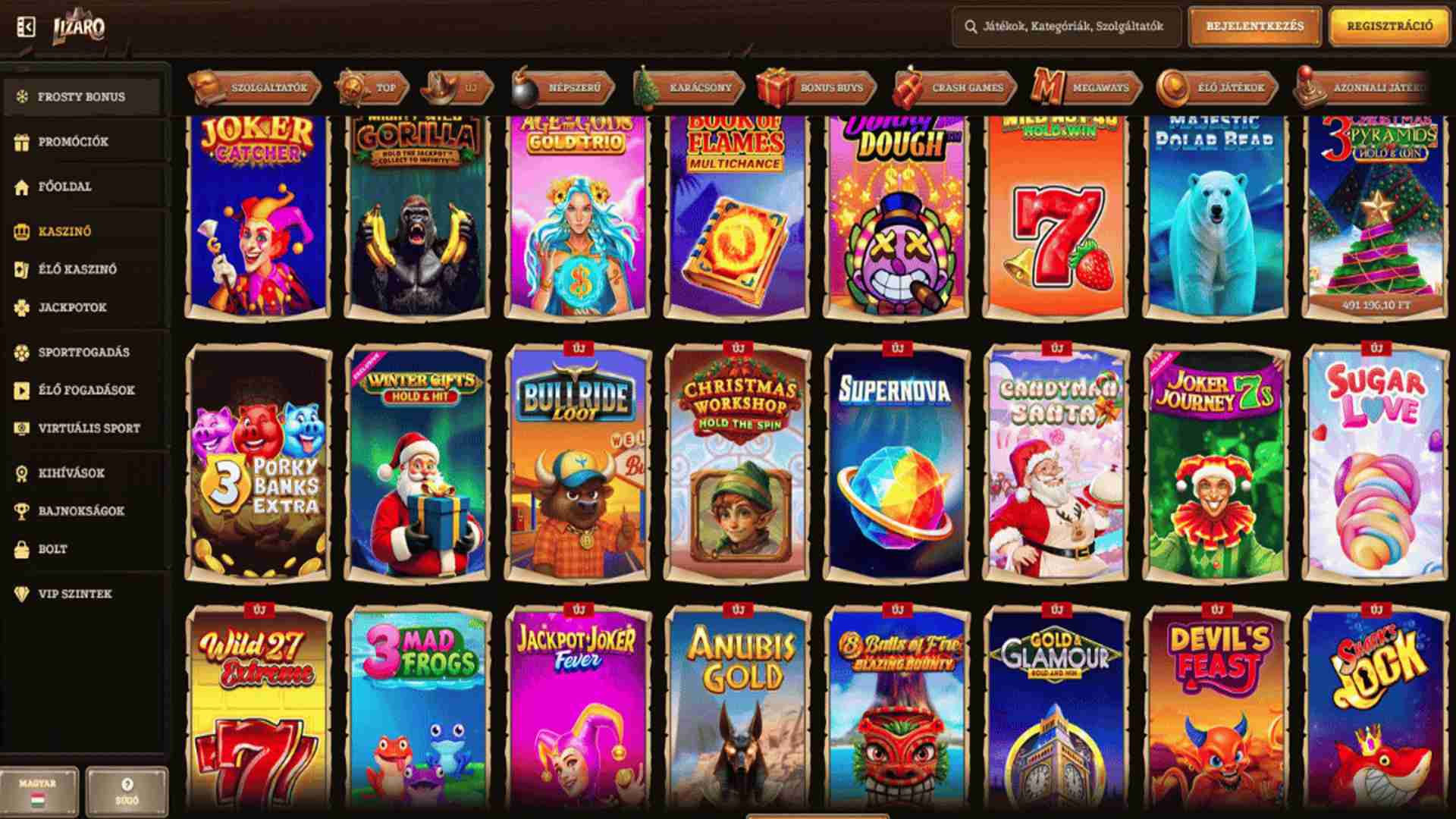
Unpredictable prize distributions tap into fundamental human behaviors by triggering a unique sense of anticipation before an objective is reached. When an outcome is not entirely guaranteed, players experience a heightened emotional response during discovery, exploration, and trial phases. This ongoing excitement often encourages individuals to experiment with alternative strategies that they might otherwise ignore in standard setups.
Variable reinforcement schedules ensure that repetitive tasks do not become completely monotonous or tedious over long sessions. By introducing surprise drops alongside traditional milestones, digital systems maintain a fresh experience for both casual and hardcore audiences alike. Balancing this internal randomness is critical to prevent consumer fatigue and maintain long-term virtual ecosystem stability.
Inspiring Player Agency Through Design
Creative rewards differ from standard item drops by directly acknowledging a player's unique approach to solving complex in-game challenges. Instead of simply relying on pure luck, these sophisticated mechanics explicitly incentivize experimentation, tactical ingenuity, and deep environmental exploration. When users realize their unconventional choices yield special outcomes, their personal investment in the virtual environment multiplies significantly.
Giving players the tools to influence their own milestones shifts the dynamic from passive consumption to highly active participation. Enthusiasts who enjoy analyzing complex systems and testing their skills often seek out diverse interactive spaces to fulfill their interests. For instance, finding a dedicated platform like Mansion Sports allows individuals to engage with competitive environments that respect strategic decision-making and performance.
Balancing Luck and Intentional Accomplishment
A successful gameplay loop avoids relying entirely on either extreme chance or strict predictability during progression phases. If a system relies too heavily on random distribution, players may feel their actual skills and time investment do not matter. Conversely, purely deterministic progression can feel overly rigid and fail to deliver memorable moments of genuine surprise.
Integrating these two distinct systems allows developers to craft layered progression milestones that appeal directly to various player archetypes. A participant might complete a highly difficult skill-based mission and subsequently receive a rare chest containing randomized components. This hybrid approach effectively honors individual effort while simultaneously preserving the thrill of discovering unexpected digital treasures.
The Future of Interactive Incentive Models
As digital platforms continue to evolve rapidly, the backend technology powering behavioral mechanics is becoming increasingly sophisticated. Future developments will likely focus on dynamically tailoring reward structures to match individual gameplay styles in real time. This technological evolution ensures that interactive entertainment remains highly engaging without feeling exploitative or overly repetitive to the user.
Ultimately, the seamless fusion of surprise elements and structured achievements defines the peak of the modern gaming experience. Designers who master this delicate balance create virtual spaces where players feel motivated, challenged, and consistently surprised. Maintaining transparency and absolute fairness within these systems will remain paramount for community trust moving forward into the future.